A solo-founder decision framework for choosing between Docker Compose, Kubernetes, and managed platforms. Includes a five-step decision tree, signals that you've outgrown Compose, and common mistakes early-stage teams make.
Mon, May 4, 2026
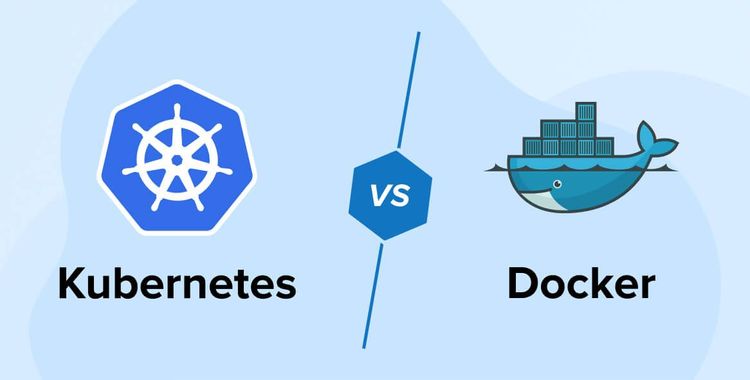
This article covers how Docker layer caching actually works, how to structure your Dockerfile to maximize cache hits, and how to wire it all up in CI so the cache persists between builds.
Wed, Apr 15, 2026
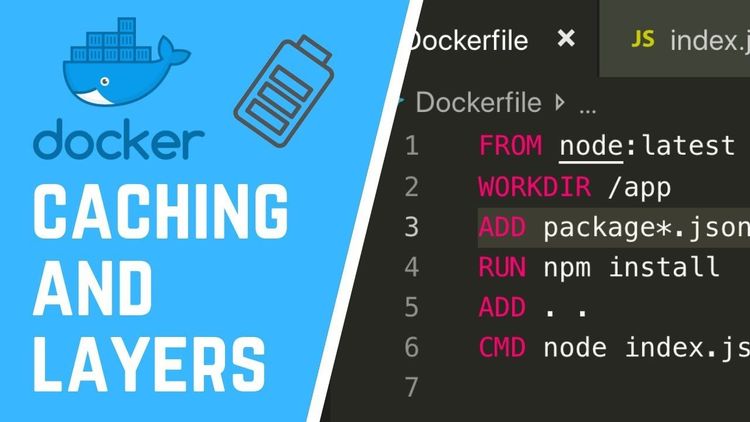
You run `docker start container`, and nothing happens. Or worse — it exits immediately with a cryptic error you've never seen before. The container worked yesterday. Now it doesn't. This guide covers every major reason a container fails to start and gives you concrete steps to fix each one.
Mon, Apr 13, 2026
This article breaks down how Heroku's PostgreSQL pricing and limits compare to NoVPS in 2026, with enough detail for you to make a real decision in the next hour.
Tue, Mar 31, 2026
For solo technical founders launching an MVP on a tight budget, Railway offers the lowest entry cost and fastest setup, while NoVPS provides a compelling all-in-one alternative with integrated storage and CDN for a predictable $9/month—making either a better starting point than Fly.io or Render for most early-stage projects.
Fri, Mar 27, 2026
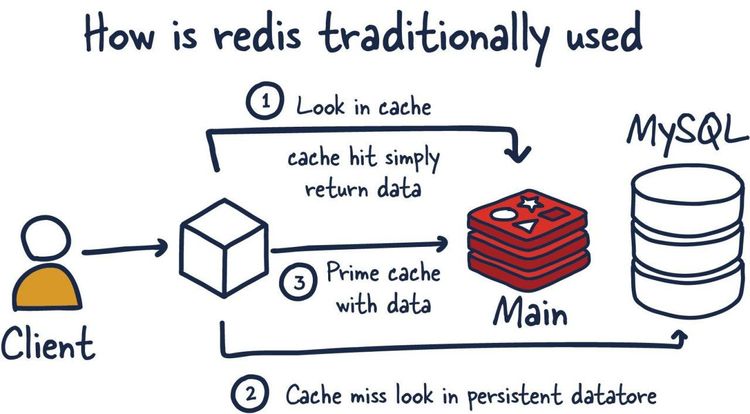
Redis is usually chosen as a cache because of its speed and versatility, allowing developers to provide users with a faster and smoother experience. But after its license change, many companies are looking for an alternative. In this post, we will take a look at the most popular options for replacing Redis as a cache.
Fri, Jan 10, 2025
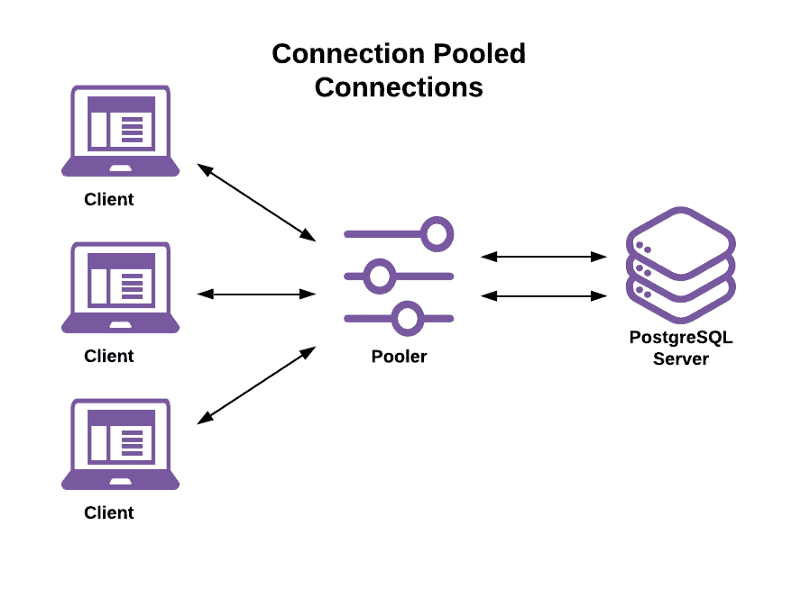
When you're building an application that interacts with a database, you’ll often need to establish a connection to the database each time your application wants to retrieve or store data. This can be slow and resource-intensive, especially if your application needs to interact with the database frequently. This is where connection pooling comes in.
Tue, Sep 17, 2024
The article demonstrates that multi-stage Docker builds significantly reduce image sizes. A single-stage build results in a 258 MB image, while a multi-stage build shrinks it to 6.35 MB, making multi-stage builds a highly efficient practice.
Mon, Sep 2, 2024
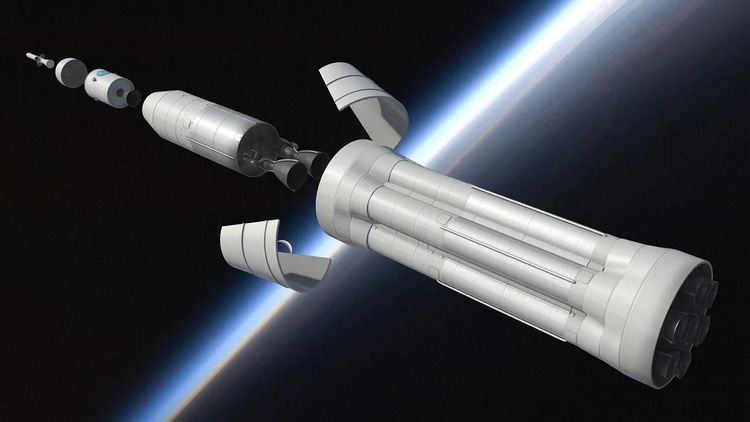
Docker packages your application and its dependencies into a single image for use in a container, but these images often become unnecessarily large. For example, a simple Node.js application using an official image can swell to 644 MB, even though the application itself takes up less than 1 MB. Optimizing the image can significantly reduce this excess size. So what can we do to reduce the image size?
Wed, Aug 28, 2024
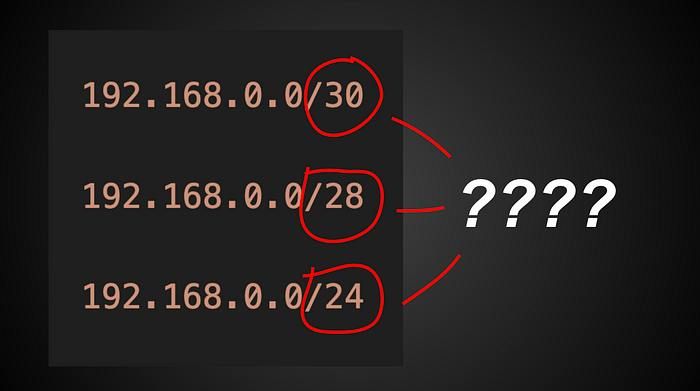
I'm dealing with this at work right now, and it was really unintuitive for me at first. So, I'm breaking it down as much as possible for those of you who might not be very familiar with IP addresses.
Fri, Aug 9, 2024


Get early access to new features and exclusive discounts delivered straight to your inbox

© 2026 NoVPS Cloud LTD
This site is protected by reCAPTCHA and the Google Privacy Policy and Terms of Service apply.